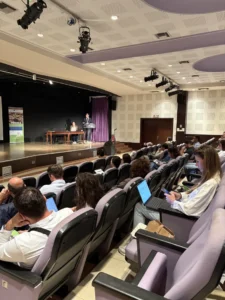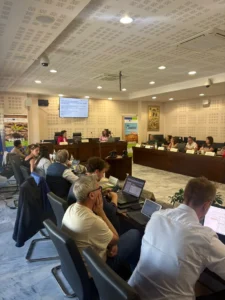
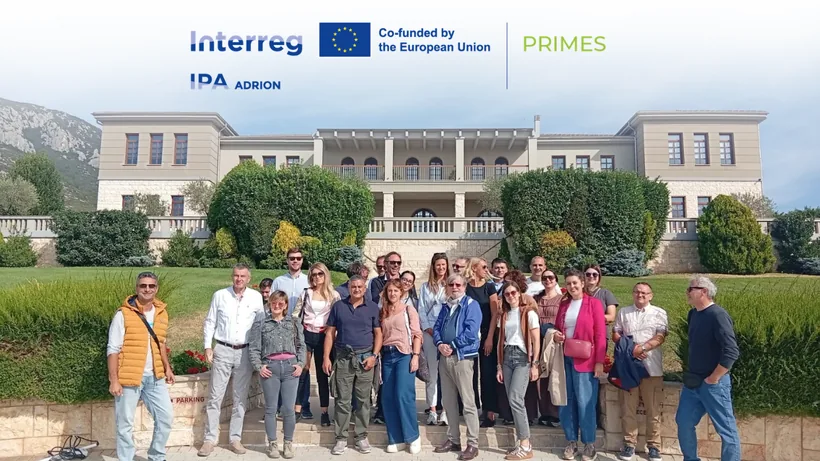
The second transnational conference of the PRIMES project – Preventing Drought Risks by Making Resilient Communities in the Adriatic-Ionian Region took place on 7–8 October 2026 in Kavala, Greece. The project is implemented under the Interreg IPA ADRION programme, with co-financing from the European Union. Representatives of the Regional Development Agency Bačka, one of the project partners, also attended the conference.
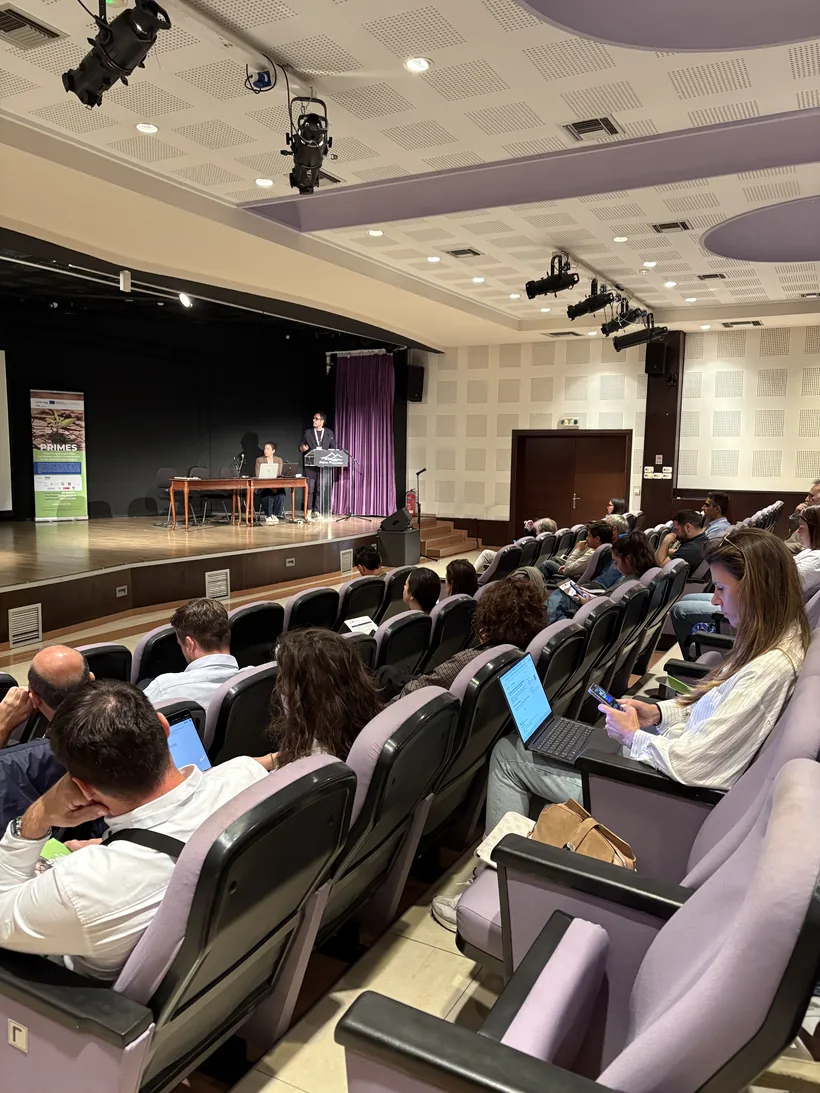
Entitled “From the PRIMES Strategy to Local Action in Drought-Resilient Communities”, the conference brought together project partners, experts and representatives of relevant institutions to exchange knowledge and experience in drought risk prevention, climate change adaptation and sustainable water resource management.
From a Joint Strategy to Local Action
The first day featured expert approaches and research findings on drought monitoring, climate risk and vulnerability assessment, as well as the results of analyses conducted across the Adriatic-Ionian region.
A dedicated session focused on the PRIMES strategy for strengthening resilience to drought risks, which provides a common framework for improving prevention, institutional cooperation and the implementation of adaptation measures at local and regional levels.
Project partners then presented the activities undertaken and results achieved in the pilot areas, including climate risk analyses, vulnerability assessments and efforts to engage local stakeholders. Discussions also addressed the next steps in developing water management plans for local communities.
Field Visits and Partner Working Meetings
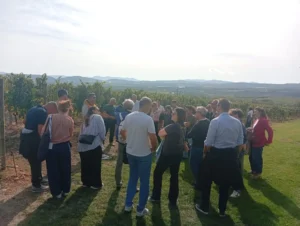
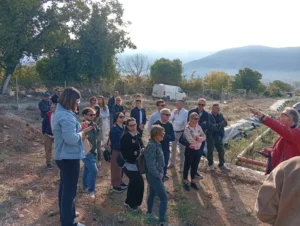
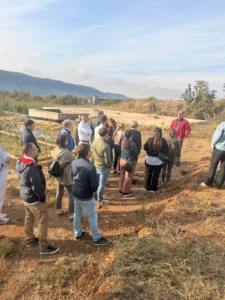
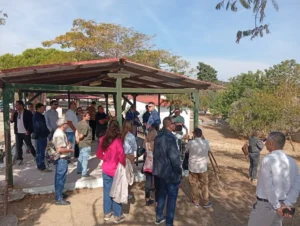
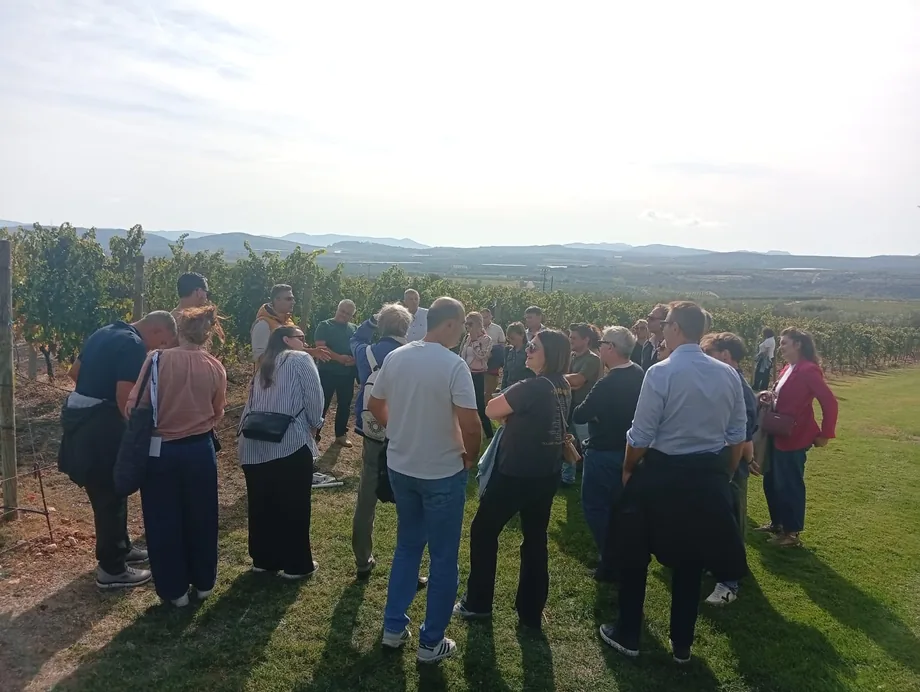
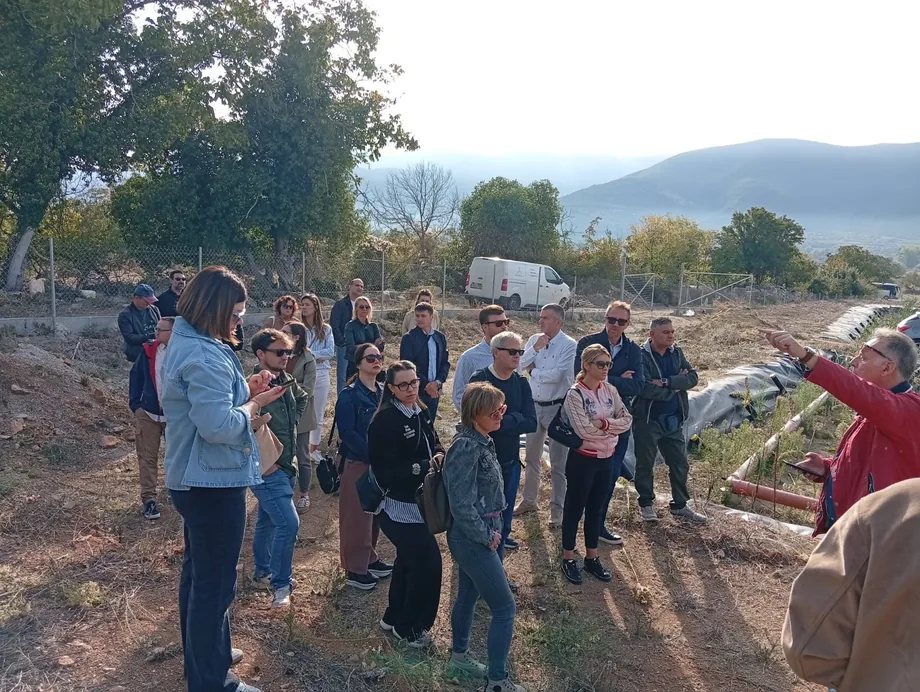
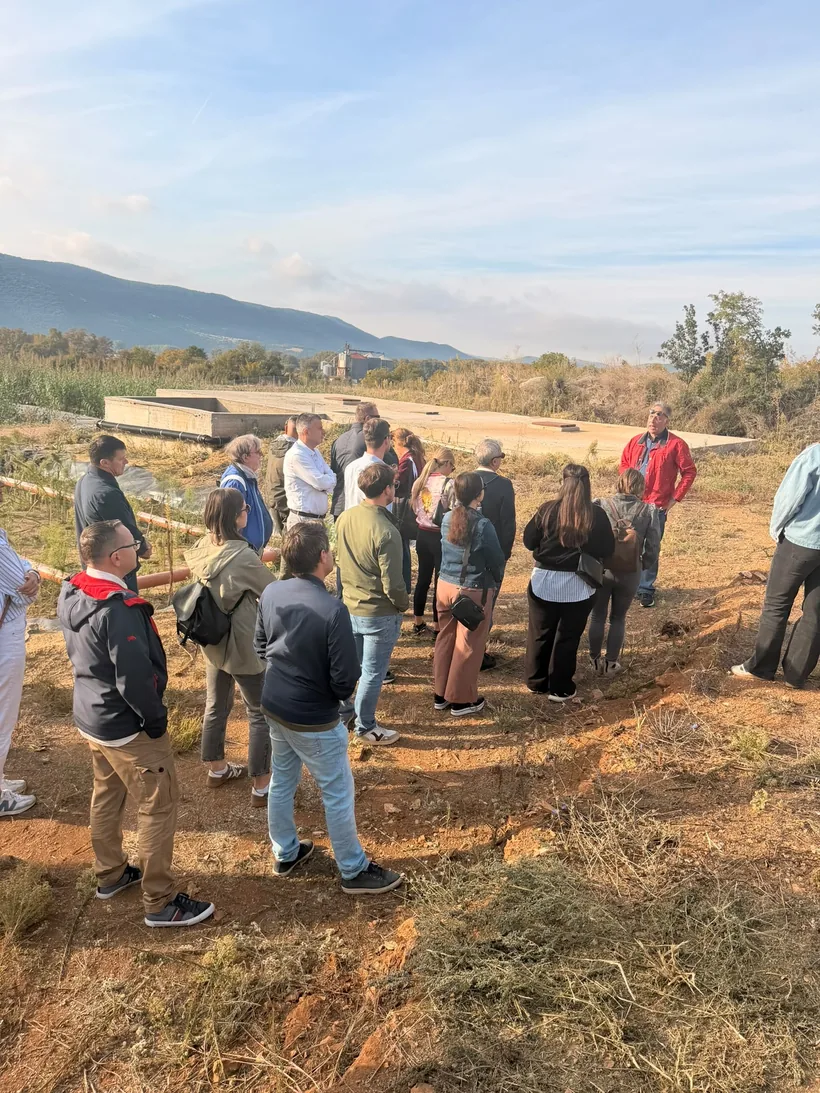
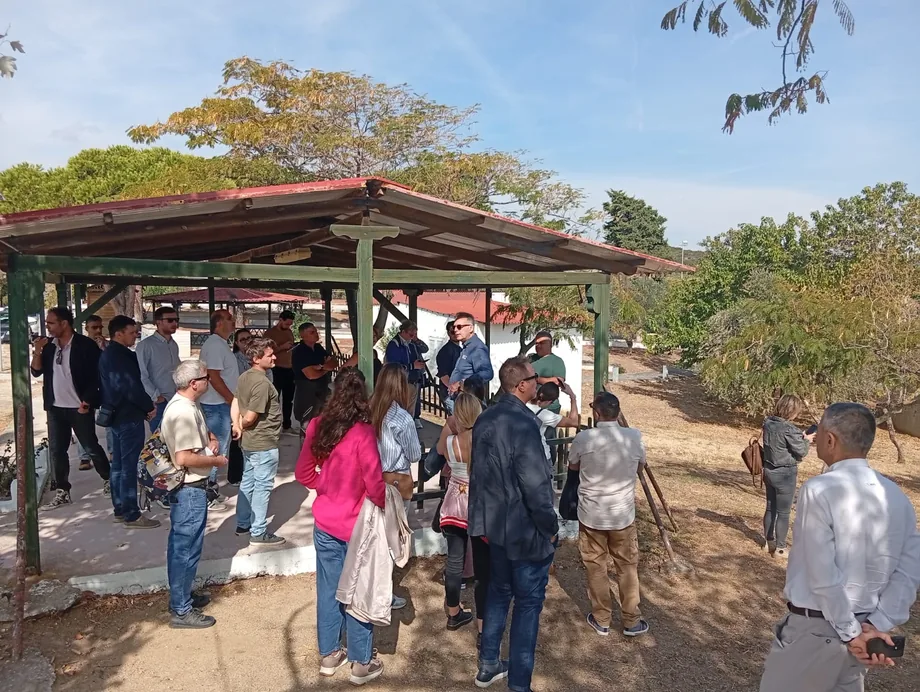
On the second day, a technical visit was organised in the municipality of Paggaio. Participants visited the wastewater treatment plant in Moustheni and the Biblia Chora wine estate in Kokkinochori.
These visits offered an opportunity to explore the importance of wastewater treatment infrastructure, water resource protection and responsible water use in agricultural production, particularly in the context of climate change and increasing drought risks. The programme also included a visit to the coastal area of Nea Peramos.
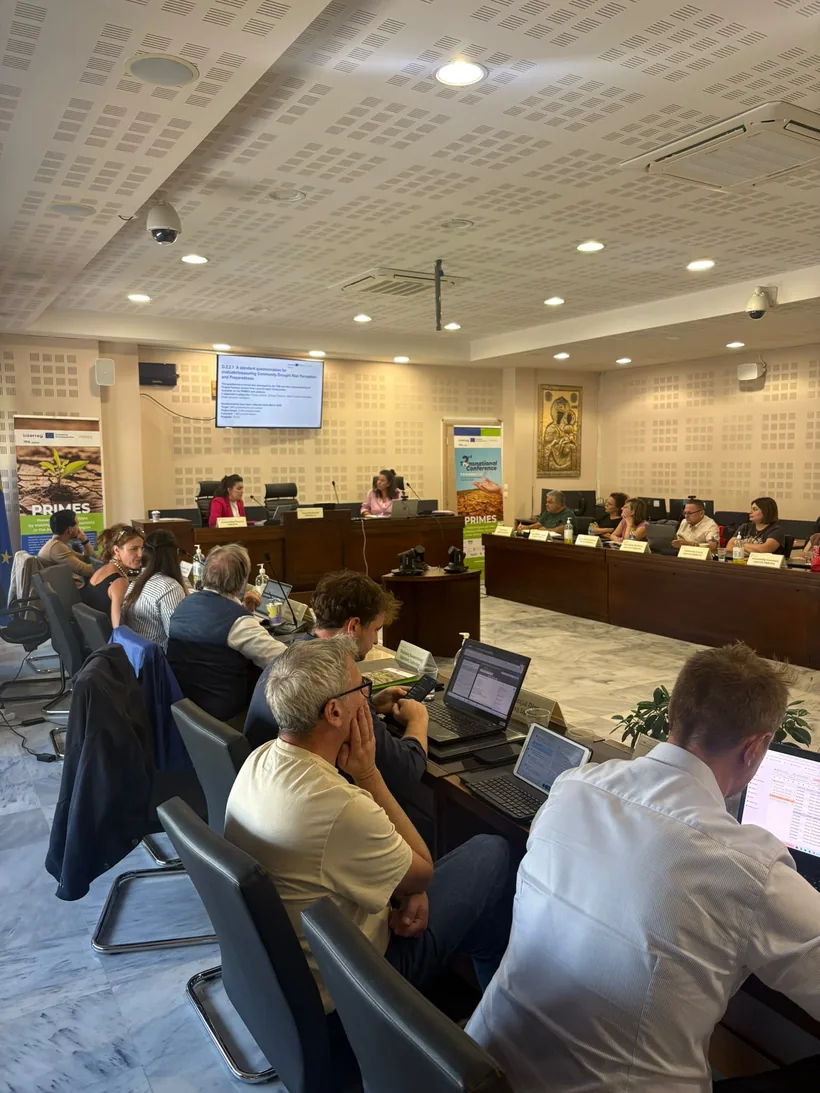
Following the field visits, project partners held working meetings, with particular attention given to the development and improvement of educational materials, digital tools and a drought warning application, as well as the coordination of upcoming project activities.
Participation in the conference enabled the exchange of experience among partner regions and discussions on how jointly developed approaches and tools could be applied in local communities, including the pilot area in Serbia.
About the PRIMES Project
The PRIMES project aims to strengthen the resilience of local communities to drought risks by improving prevention systems and water resource management, while actively involving institutions, businesses and citizens in planning and implementing climate change adaptation measures.
Further information is available on the official PRIMES project website.