
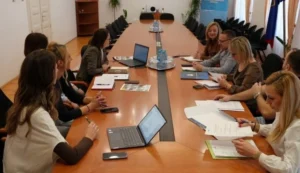
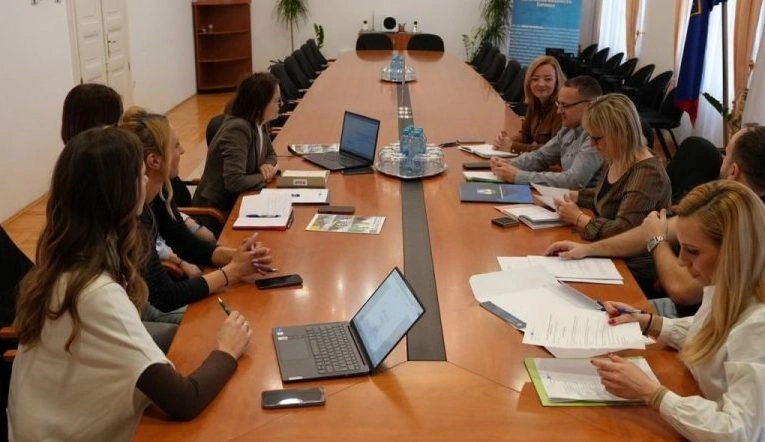
The Development Agency of Bačka, as a partner in the PRIMES project, participated in a project activity focused on analyzing the current situation and defining next steps in the field of climate change adaptation. The working meeting was held on February 24 in Koprivnica, organized by the Koprivnica-Križevci County, with the participation of the project partner from Croatia, the Public Institution for Development of Međimurje County (REDEA).
Within this activity, partners conducted GAP analyses for their pilot areas, aiming to identify key gaps, challenges, and development needs in strengthening resilience to climate change. In addition, a SWOT analysis was carried out to assess strengths, weaknesses, opportunities, and threats at the level of partner territories.
During the meeting, each partner presented the results of their analyses, followed by a joint discussion and the formulation of recommendations for improving resilience and enhancing data management among relevant stakeholders.
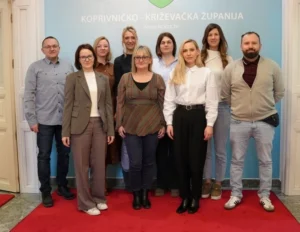
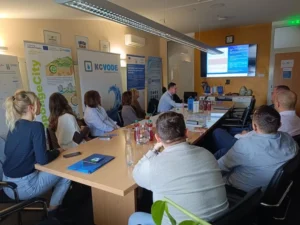
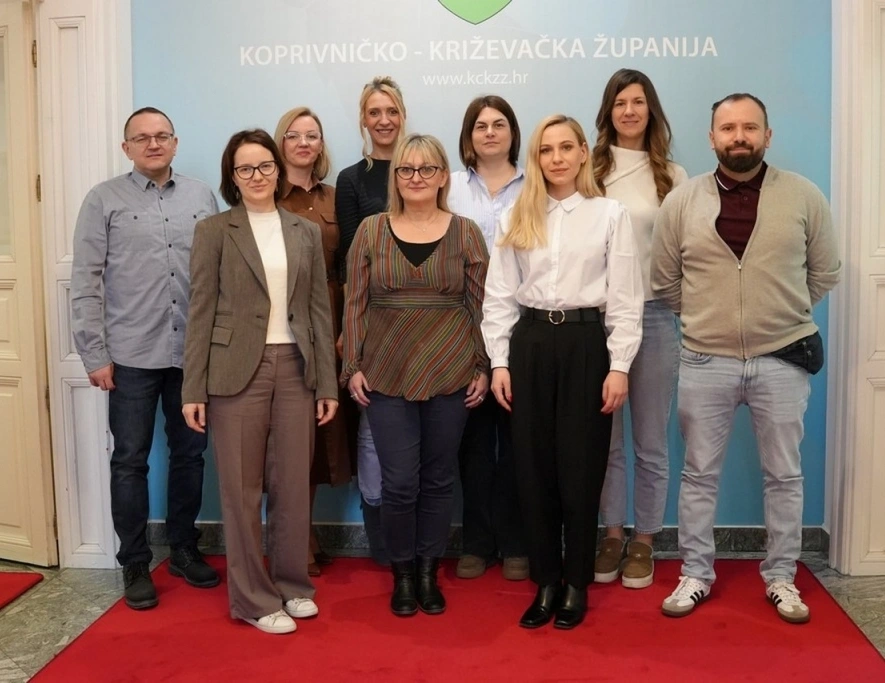
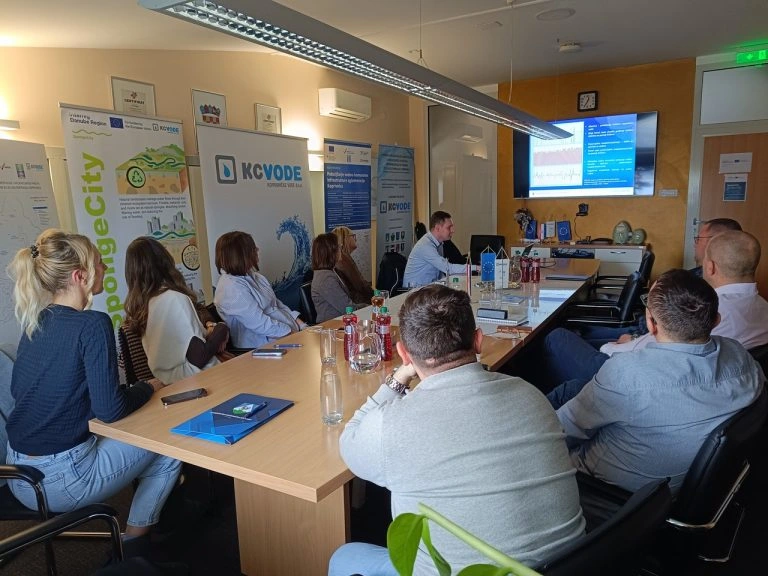
After the working session, study visits to examples of good practice were organized. Partners visited the company Podravka d.d., where a “drip irrigation” system was presented as an efficient model for rational water use and adaptation of agricultural production to increasingly pronounced climate challenges.
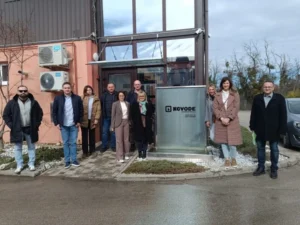
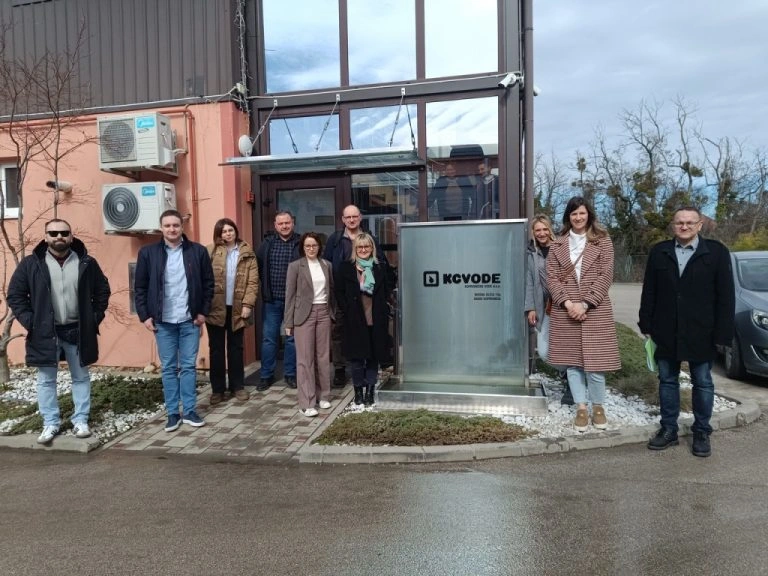
The program continued with a visit to the company Koprivničke vode d.o.o., where relevant projects and initiatives were presented, including the “Sponge City” project, focused on innovative solutions for stormwater management in urban areas, as well as the Clim4Cast project, which develops forecasting tools for mitigating the effects of droughts, heatwaves, and wildfires in Central Europe.
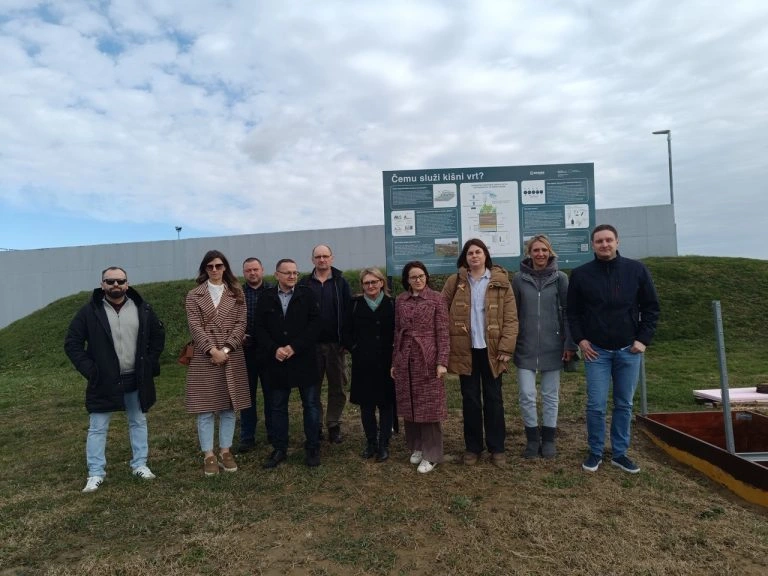
During the visit, partners also had the opportunity to tour a demonstration rain garden, showcasing the application of nature-based solutions in water resource management and strengthening climate resilience.
This activity significantly contributed to the exchange of knowledge and experience among partners, with the PRIMES project continuing to strengthen interregional cooperation and capacities in the field of climate change adaptation and sustainable water management.